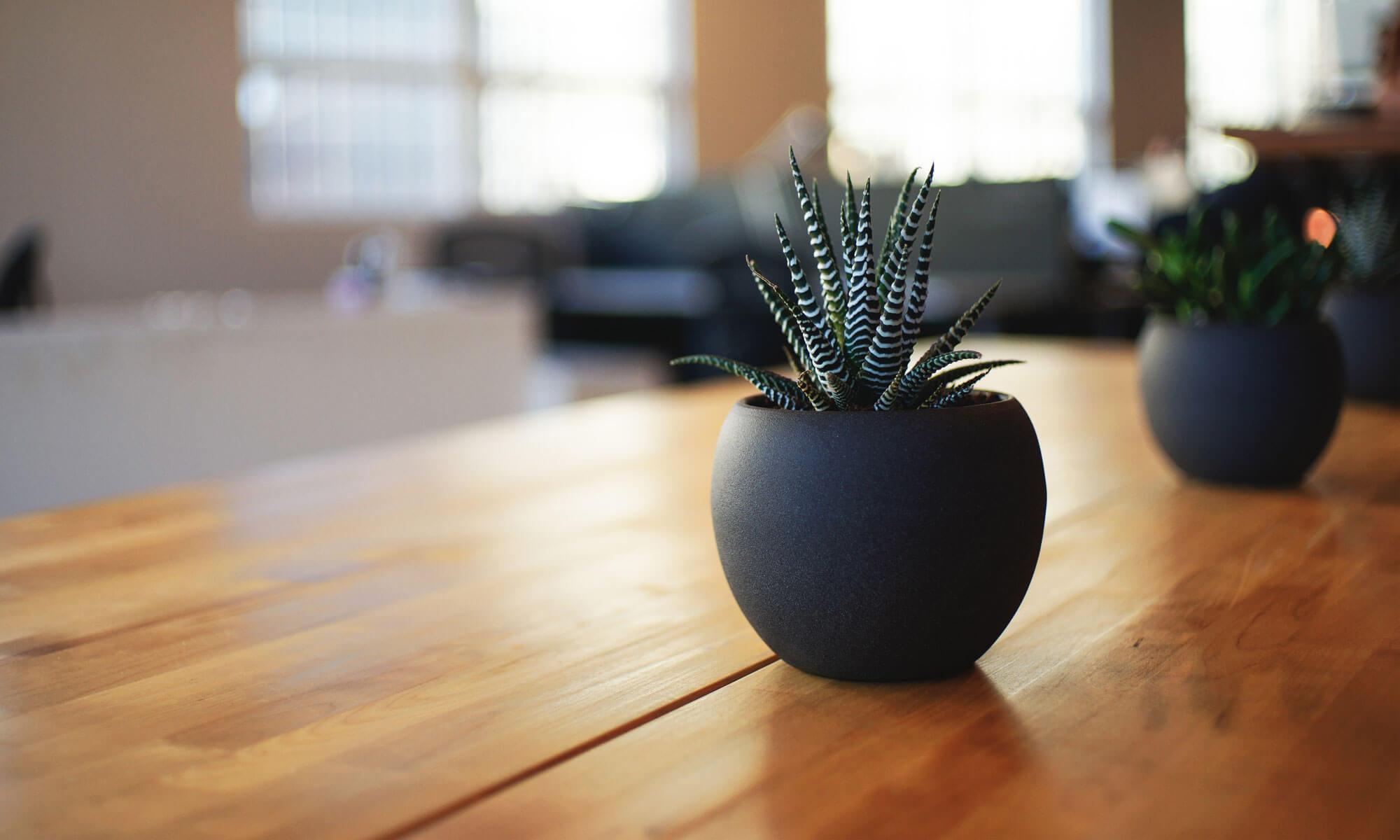
- Remarkable design ideas with bonrushs-uk.uk for a modern living space
- Elevating Your Living Room with Contemporary Design
- The Importance of Statement Lighting
- Creating a Functional and Stylish Kitchen
- Maximizing Kitchen Storage
- Designing a Tranquil and Restful Bedroom
- Creating a Relaxing Bedroom Ambiance
- The Role of Color in Interior Design
- Modern Bathroom Design and Functionality
- Beyond Aesthetics: Considering Sustainable Design Choices
Remarkable design ideas with bonrushs-uk.uk for a modern living space
Creating a comfortable and aesthetically pleasing living space is a goal for many homeowners. The details matter, from the overall layout to the smallest decorative accents. Finding the right inspiration and resources can be challenging, but platforms like bonrushs-uk.uk aim to simplify the process, offering a diverse range of design ideas and products to elevate your home. A well-designed home isn’t just about visual appeal; it’s about creating a functional and inviting environment that reflects your personal style and enhances your daily life. It's about smart choices, quality materials, and a cohesive vision that brings everything together.
The modern homeowner often juggles multiple priorities – work, family, social life – and their living space needs to adapt to these demands. This calls for flexible design solutions, prioritizing both form and function. Consideration should be given to maximizing space, creating distinct zones for different activities, and incorporating elements that promote relaxation and well-being. Investing in quality furniture and décor, coupled with thoughtful planning, can transform a house into a sanctuary. Understanding current trends and resources like those found on platforms dedicated to interior design is invaluable in achieving this.
Elevating Your Living Room with Contemporary Design
The living room often serves as the heart of the home, a space for relaxation, entertainment, and social gatherings. Contemporary design emphasizes clean lines, neutral color palettes, and a focus on functionality. Think about incorporating large, comfortable sofas, statement lighting fixtures, and strategically placed artwork to create a welcoming atmosphere. Texture plays a crucial role in adding depth and visual interest; consider layering different materials like wood, metal, and textiles. A well-placed rug can anchor the seating area and define the space while also providing a source of comfort. It’s important to remember that contemporary design doesn’t mean cold or sterile; warmer tones and natural elements can soften the look and make the room feel more inviting. Choosing pieces that are both stylish and practical will ensure your living room remains both beautiful and functional for years to come. The key is to create a space that reflects your personal style and enhances your everyday life.
The Importance of Statement Lighting
Lighting is often an overlooked aspect of interior design, yet it plays a critical role in setting the mood and highlighting key features. Statement lighting fixtures, such as a dramatic chandelier or a sleek floor lamp, can instantly elevate the look of a room. Consider the scale of the fixture in relation to the room; a large fixture can make a bold statement in a spacious living room, while a smaller, more subtle fixture might be more appropriate for a cozy space. Layering different types of lighting – ambient, task, and accent – is crucial for creating a well-lit and versatile space. Dimmer switches allow you to adjust the lighting to suit different activities and moods, adding another layer of control and flexibility to your design. Choose bulbs that offer a warm, inviting glow to create a comfortable and relaxing atmosphere.
| Ambient | Provides overall illumination |
| Task | Focuses light on specific areas for activities like reading |
| Accent | Highlights artwork or architectural features |
Incorporating a variety of lighting options not only enhances the visual appeal of your living room but also improves its functionality. Properly placed lighting can make the room feel more spacious, inviting, and comfortable. Consider using smart lighting systems that allow you to control the lights remotely and create customized lighting scenes.
Creating a Functional and Stylish Kitchen
The kitchen is another central hub of the home, a place for cooking, dining, and socializing. When designing your kitchen, prioritize functionality and efficiency. A well-organized layout with ample storage space is essential. Consider the "work triangle" – the space between the sink, refrigerator, and stove – to ensure efficient workflow. Modern kitchen design often incorporates sleek cabinetry, durable countertops, and energy-efficient appliances. Choosing materials that are both stylish and easy to clean is crucial for maintaining a hygienic and inviting space. Don't overlook the importance of lighting in the kitchen; task lighting above countertops and a statement fixture above the dining table can create a warm and inviting atmosphere. A kitchen that is both beautiful and functional will be a joy to use for years to come.
Maximizing Kitchen Storage
Kitchen storage is often at a premium, especially in smaller homes. There are many creative ways to maximize space and keep your kitchen organized. Consider installing pull-out shelves in cabinets, utilizing vertical space with tall pantry cabinets, and incorporating drawer dividers to keep utensils and cookware neatly organized. Over-the-sink dish racks and magnetic knife strips can free up valuable counter space. Utilizing wall space with open shelving can add both storage and visual interest. Regular decluttering is also essential for maintaining a functional kitchen; get rid of items you no longer use to create more space and reduce clutter.
- Utilize vertical space with tall cabinets
- Install pull-out shelves in cabinets
- Employ drawer dividers for organization
- Consider magnetic knife strips to free counter space
- Regularly declutter unused items
Optimizing storage isn't just about maximizing space; it's about creating a more efficient and enjoyable cooking experience. A well-organized kitchen will save you time and frustration, allowing you to focus on creating delicious meals and spending time with family and friends.
Designing a Tranquil and Restful Bedroom
The bedroom should be a sanctuary, a place for relaxation and rejuvenation. Creating a tranquil and restful atmosphere is paramount. Soft color palettes, comfortable bedding, and minimal clutter are key elements. Invest in a high-quality mattress and pillows to ensure a good night's sleep. Blackout curtains or blinds can block out unwanted light and create a darker, more restful environment. Consider adding a comfortable reading chair and a soft rug to create a cozy and inviting space. Personal touches, such as artwork or photographs, can add personality and make the room feel more like your own. The bedroom should be a space where you can escape from the stresses of daily life and recharge your batteries. Thoughtful design and attention to detail can transform a bedroom into a peaceful oasis.
Creating a Relaxing Bedroom Ambiance
Beyond the physical elements of design, creating a relaxing bedroom ambiance involves appealing to all the senses. Soft lighting, calming colors, and comfortable textures are essential. Consider incorporating aromatherapy with essential oils like lavender or chamomile to promote relaxation. Minimize noise pollution by using thick curtains or soundproofing materials. Keep the room cool and well-ventilated. Technology can also play a role; consider using a white noise machine or a calming music playlist to help you unwind. The goal is to create a space that is conducive to sleep and relaxation, a place where you can truly escape from the stresses of the world.
- Choose a soft color palette
- Invest in comfortable bedding
- Use blackout curtains or blinds
- Minimize noise pollution
- Incorporate aromatherapy
Prioritizing relaxation in your bedroom design will not only improve your sleep quality but also enhance your overall well-being. A peaceful and restful bedroom is a valuable investment in your health and happiness.
The Role of Color in Interior Design
Color plays a profound role in shaping the mood and atmosphere of a space. Different colors evoke different emotions and can significantly impact how we feel in a room. Neutral colors, such as white, beige, and gray, create a sense of calm and sophistication. Warmer colors, such as red, orange, and yellow, are energizing and inviting. Cooler colors, such as blue, green, and purple, are calming and serene. When choosing colors for your home, consider the purpose of the room and the overall mood you want to create. A small pop of color can add visual interest to a neutral space, while a bold color scheme can make a statement. It’s important to consider the interplay of colors and how they complement each other. Resources, like those offered through bonrushs-uk.uk provide inspiration and guidance with color schemes. Color psychology is a powerful tool in interior design, allowing you to create spaces that are not only beautiful but also emotionally resonant.
Modern Bathroom Design and Functionality
Bathrooms have evolved from purely functional spaces to luxurious retreats. Modern bathroom design focuses on creating a spa-like atmosphere with clean lines, minimalist décor, and high-end fixtures. Walk-in showers, freestanding tubs, and double vanities are popular features. Prioritizing organization and storage is essential, especially in smaller bathrooms. Utilize wall-mounted cabinets, under-sink storage, and clever organizers to maximize space. Good lighting is crucial for creating a bright and inviting atmosphere. Consider incorporating natural light whenever possible. Water-efficient fixtures are not only environmentally responsible but also can save you money on your utility bills. Investing in quality materials, such as porcelain tile and stainless steel fixtures, will ensure your bathroom remains stylish and functional for years to come.
Beyond Aesthetics: Considering Sustainable Design Choices
Increasingly, homeowners are prioritizing sustainability when designing their living spaces. Choosing eco-friendly materials, reducing energy consumption, and minimizing waste are all important considerations. Look for furniture made from sustainably sourced wood, flooring made from recycled materials, and paints with low VOCs (volatile organic compounds). Energy-efficient appliances, LED lighting, and smart thermostats can help reduce your carbon footprint and lower your energy bills. Consider incorporating natural elements, such as plants, to improve air quality and create a more calming environment. Supporting local artisans and businesses can also contribute to a more sustainable lifestyle. Sustainable design isn’t just about making environmentally responsible choices; it’s about creating a healthier and more comfortable living space for yourself and future generations.
By taking a mindful approach to design, embracing sustainable practices, and utilizing resources available online, you can create a home that is both beautiful and environmentally responsible. Thinking about the lifecycle of your furnishings and décor—where they come from, how they're made, and how they will be disposed of—is a key component of conscious consumerism. Designing with longevity in mind, opting for classic pieces over fleeting trends, contributes to a more sustainable approach, ultimately saving you money and resources in the long run.