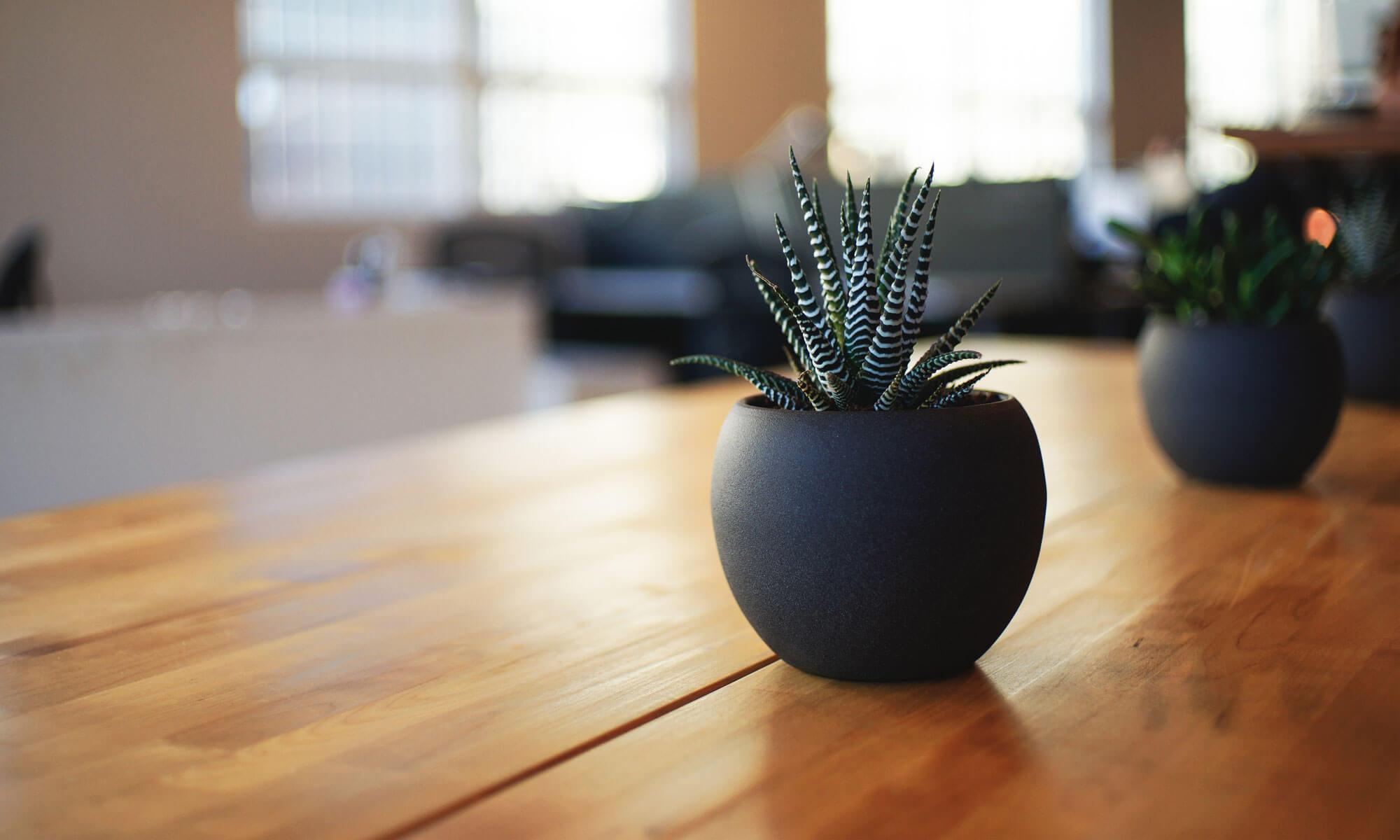

- Essential patterns surrounding thespinkings.uk inspire modern home decor ideas
- The Rise of Japandi and Natural Materials
- Incorporating Wabi-Sabi into Your Home
- The Power of Colour Psychology in Space Design
- Creating Harmonious Colour Palettes
- Maximizing Space with Clever Storage Solutions
- Decluttering and Organizing Principles
- The Importance of Lighting in Home Decor
- Personalizing Your Space with Art and Accessories
Essential patterns surrounding thespinkings.uk inspire modern home decor ideas
thespinkings.uk. Navigating the world of home decor can often feel overwhelming, with countless styles and trends vying for attention. However, inspiration can emerge from unexpected places, and increasingly, homeowners are turning to online platforms and communities for fresh ideas. One such platform, , has quietly become a significant source of inspiration for those seeking to infuse personality and contemporary flair into their living spaces. It's not simply about replicating looks; it's about understanding the underlying principles of design that make a space feel cohesive, inviting, and truly reflective of its inhabitants.
The appeal of platforms like this lies in their ability to showcase a diverse range of aesthetics, from minimalist Scandinavian designs to the more maximalist and eclectic styles, and everything in between. This accessibility allows individuals to explore different possibilities and discover what resonates with their personal tastes. The focus is shifting away from rigidly adhering to prescriptive design rules and towards a more intuitive and personalized approach, where individual expression takes center stage. Modern home decor isn't simply about aesthetics; it's about crafting an environment that supports a lifestyle, fosters well-being, and tells a story.
The Rise of Japandi and Natural Materials
One particularly potent trend that has gained considerable traction is Japandi – a fusion of Japanese and Scandinavian design principles. This style prioritizes minimalism, functionality, and a deep appreciation for natural materials. Think clean lines, muted colour palettes, and a focus on quality craftsmanship. The underlying philosophy centers around creating spaces that are calm, uncluttered, and conducive to relaxation. This focus on simplicity isn’t about deprivation; rather, it’s about intentionally curating a space with only the items that are truly valued and serve a purpose. It’s a response to the increasing demands of modern life, a desire to create a sanctuary from the external world. The aesthetic appeal of natural wood tones, combined with the serene simplicity of Japanese aesthetics, has proven overwhelmingly popular.
Incorporating Wabi-Sabi into Your Home
Within the Japandi framework, the concept of Wabi-Sabi adds another layer of depth. Wabi-Sabi embraces imperfection and celebrates the beauty of natural aging and wear. This translates into incorporating items with visible textures, natural flaws, and a sense of history. Instead of striving for flawless perfection, Wabi-Sabi encourages appreciation for the inherent beauty of impermanence. This could involve choosing furniture made from reclaimed wood, displaying pottery with subtle imperfections, or embracing the character of aged textiles. It’s about finding beauty in the unconventional and recognizing that nothing is truly permanent. This acceptance of imperfection fosters a sense of tranquility and authenticity within the home.
| Oak Wood | Warm, Classic | High | Moderate to High |
| Bamboo | Sustainable, Minimalist | Moderate | Low to Moderate |
| Linen | Natural, Textured | Moderate | Moderate |
| Ceramic | Rustic, Earthy | High | Variable |
Choosing the right materials is crucial for achieving the Japandi aesthetic, and understanding their properties will allow for a long-lasting and visually harmonious space. Consider the light and texture of the material as well as how it will age over time. Investing in quality materials will not only enhance the aesthetic appeal but also contribute to the overall longevity of the design.
The Power of Colour Psychology in Space Design
Colour plays a significant role in how we perceive and experience a space. It's not merely an aesthetic choice, but a powerful psychological tool that can influence our mood, energy levels, and even our behaviour. Understanding the principles of colour psychology can help homeowners create interiors that are not only visually appealing but also supportive of their well-being. For example, shades of blue and green are often associated with calmness and tranquility, making them ideal for bedrooms and relaxation areas. Warmer tones, such as reds and oranges, can stimulate energy and conversation, making them suitable for living rooms and dining areas. But the application isn’t so simple, and colour interaction is vital.
Creating Harmonious Colour Palettes
Simply choosing colours based on their individual psychological effects isn't enough. It's essential to create a harmonious colour palette that complements the overall style of the home and the existing furniture. This often involves using a colour wheel to identify complementary, analogous, or triadic colour schemes. A complementary colour scheme uses colours that are opposite each other on the colour wheel, creating a vibrant and contrasting effect. An analogous colour scheme uses colours that are adjacent to each other, resulting in a more subtle and harmonious look. A triadic colour scheme uses three colours that are evenly spaced on the colour wheel, offering a balanced and dynamic aesthetic. Platforms like provide excellent visual examples of successful colour combinations, providing valuable inspiration for those unsure where to start.
- Blue: Calm, peaceful, trustworthy – ideal for bedrooms and bathrooms.
- Green: Nature, growth, harmony – suitable for living rooms and studies.
- Yellow: Optimism, energy, creativity – best used as an accent colour.
- Grey: Sophistication, neutrality, balance – a versatile base colour.
Don't underestimate the power of neutral tones as a backdrop for bolder colour accents. A well-chosen neutral can create a sense of spaciousness and allow the accent colours to truly pop. Experiment with different shades and textures to add depth and interest to the space.
Maximizing Space with Clever Storage Solutions
In today’s fast-paced world, maximizing space is a top priority for many homeowners, particularly those living in urban environments or smaller homes. Clever storage solutions are essential for creating a functional and clutter-free living space. This doesn't necessarily mean sacrificing style; in fact, innovative storage solutions can often enhance the aesthetic appeal of a room. Thinking vertically is a key strategy. Utilizing wall-mounted shelves, tall bookcases, and overhead cabinets can significantly increase storage capacity without taking up valuable floor space. Furthermore, multi-functional furniture, such as ottomans with hidden storage or beds with built-in drawers, can serve a dual purpose.
Decluttering and Organizing Principles
Before investing in new storage solutions, it's crucial to declutter and organize the existing space. The KonMari method, popularized by Marie Kondo, emphasizes the importance of only keeping items that “spark joy.” This approach encourages mindful consumption and helps homeowners let go of possessions that no longer serve a purpose. Categorizing items and assigning them designated storage locations is also essential for maintaining order. Utilize containers, baskets, and dividers to keep items organized and easily accessible. Regular decluttering and organization are ongoing processes, requiring consistent effort and a commitment to maintaining a clutter-free environment. Online resources, including inspiration found on sites like , offer practical tips and ideas for optimizing storage space.
- Assess Your Needs: Identify areas where storage is lacking.
- Declutter Ruthlessly: Get rid of items you no longer use or need.
- Utilize Vertical Space: Install shelves and cabinets on walls.
- Invest in Multi-Functional Furniture: Choose pieces that serve multiple purposes.
- Maintain Regular Organization: Establish a routine for decluttering and tidying up.
Effective storage isn’t about hiding clutter; it’s about creating a system that makes it easy to find and access the items you need while maintaining a visually appealing and organized space.
The Importance of Lighting in Home Decor
Lighting is often underestimated as a design element, yet it has a profound impact on the overall mood and atmosphere of a room. It’s not simply about providing illumination; it's about creating a layered lighting scheme that enhances the space's functionality and aesthetic appeal. There are three primary types of lighting: ambient, task, and accent. Ambient lighting provides overall illumination, task lighting focuses on specific areas for activities such as reading or cooking, and accent lighting highlights decorative features or artwork. A harmonious blend of these three types creates a balanced and inviting atmosphere. The colour temperature of the light also plays a crucial role, with warmer tones creating a cozy and relaxing feel and cooler tones providing a more energizing and focused environment.
Consider the natural light available in a room and supplement it with artificial lighting to achieve the desired effect. Sheer curtains can diffuse sunlight, creating a soft and gentle glow, while heavier curtains can block out light for privacy or to create a more dramatic atmosphere. Smart lighting systems allow homeowners to control the intensity and colour temperature of their lights, creating customized lighting schemes for different occasions. Thoughtful lighting design can transform a space, making it feel more spacious, inviting, and visually appealing.
Personalizing Your Space with Art and Accessories
While foundational elements like furniture and paint colours are essential, it’s the art and accessories that truly personalize a space and reflect the homeowner’s individual style. These elements add character, depth, and visual interest, transforming a house into a home. Selecting artwork that resonates with personal tastes is crucial. It could include paintings, sculptures, photographs, or even handcrafted items. The key is to choose pieces that evoke positive emotions and create a sense of connection. Accessories, such as throw pillows, rugs, and decorative objects, can further enhance the aesthetic appeal and add pops of colour and texture.
Don't be afraid to experiment with different styles and arrangements. Mixing and matching textures, patterns, and colours can create a visually dynamic and engaging space. Thoughtfully curated collections of objects can tell a story and reflect personal passions and interests. The subtle touch of a favourite artwork or a cherished family heirloom can turn a room from simply decorated into a unique and meaningful sanctuary. Platforms like are teeming with ideas on how to incorporate art and accessories in imaginative ways, fostering individual expression and design innovation.