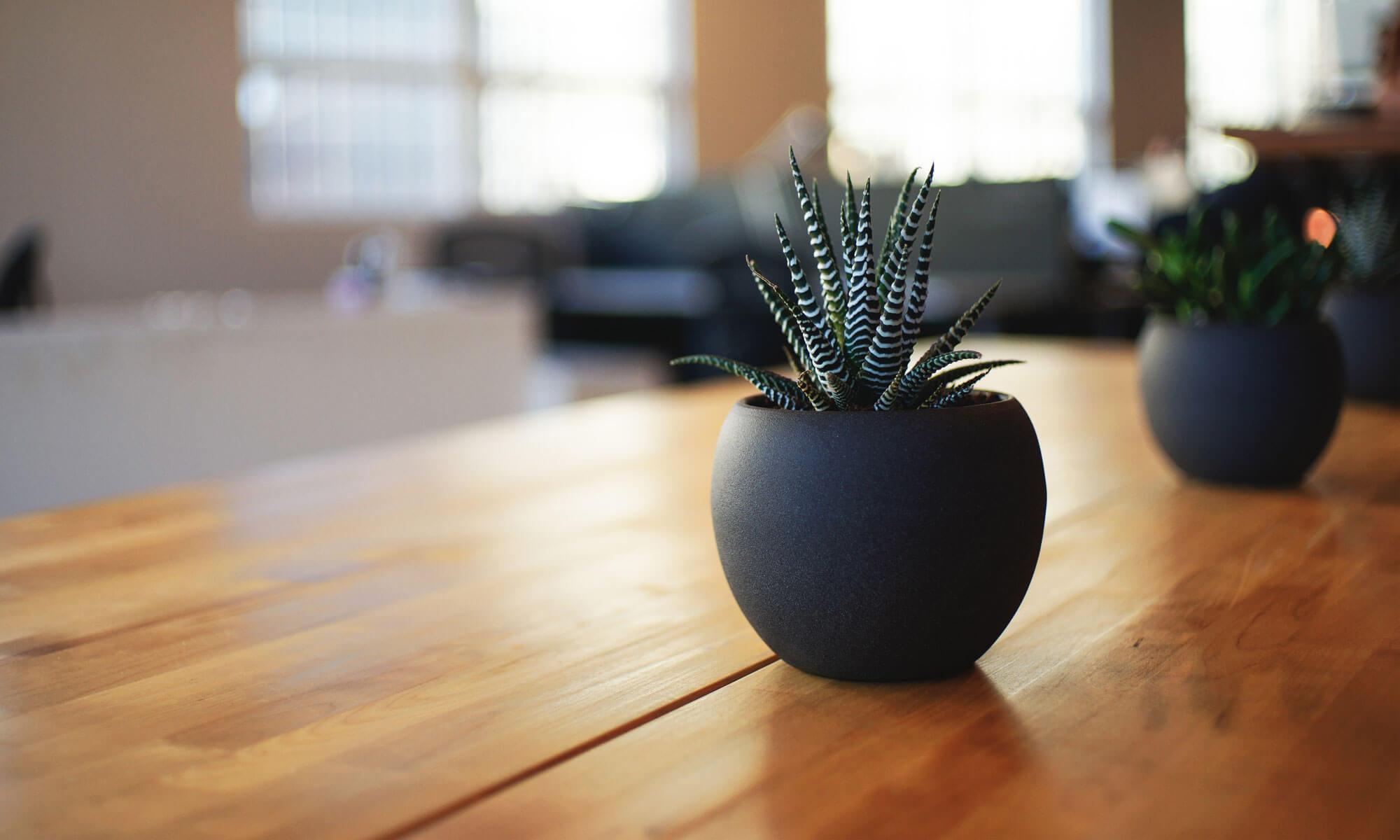
- Ceramic finishes and bold expression highlighted by 1 red in interior design schemes
- The Psychology of Crimson and Scarlet: Understanding Red's Impact
- Selecting the Right Red Hue
- Strategic Placement: Where to Introduce the Accent Color
- Creating Focal Points with Red
- Red and Materiality: Textures and Finishes that Enhance the Hue
- The Contrast of Red and Neutral Materials
- Beyond the Walls: Unexpected Applications of Red in Design
- The Future of Red: Evolving Trends and Innovative Applications
Ceramic finishes and bold expression highlighted by 1 red in interior design schemes
The world of interior design is constantly evolving, with new trends emerging and re-emerging with subtle shifts in application. Currently, a powerful dynamic is taking hold: the juxtaposition of minimalist foundations with bold, statement-making accents. At the heart of this trend lies the impactful use of color, and increasingly, designers and homeowners alike are drawn to the striking presence of 1 red. It’s a departure from the all-neutral palettes that have dominated recent years, representing a desire for energy, passion, and a touch of rebellious individuality within the home environment.
This isn’t about a wholesale embrace of red across entire rooms; rather, it's about strategic placement and thoughtful consideration of the shade's nuance. The power of this color lies in its ability to instantaneously draw the eye, to create focal points, and to elevate an otherwise subdued space. It's a versatile hue capable of lending sophistication, warmth, or even a playful edge, depending on its application and the surrounding color schemes. Successfully incorporating this tone requires a deep understanding of color theory and a keen eye for balance, ensuring a design that feels curated and intentional, not overwhelming or chaotic.
The Psychology of Crimson and Scarlet: Understanding Red's Impact
Red is arguably the most psychologically potent color on the spectrum. Throughout history and across cultures, it has been associated with a myriad of powerful emotions: love, passion, anger, energy, and even danger. These deeply ingrained associations make it a color that immediately commands attention and evokes a visceral response. In interior design, understanding these psychological connotations is critical to using red effectively. A vibrant scarlet, for instance, might be ideal for a dining room, stimulating conversation and appetite, while a deeper, more subdued crimson could create a sense of intimacy and warmth in a library or study. The saturation and undertones of the red chosen contribute significantly to the overall mood. A cooler red, leaning towards magenta, can feel more contemporary and energetic, while a warmer red, with orange undertones, exudes a traditional and cozy atmosphere. The choice is deeply personal and should reflect the desired ambiance of the space.
Selecting the Right Red Hue
The sheer variety of red shades can be daunting. It's not simply a matter of 'red' or 'not red'. There’s a spectrum extending from pale rose to deep burgundy, with countless nuances in between. Consider the existing color palette of the room. What are the dominant neutral tones? What other accent colors are present? The red chosen should complement, not clash, with these existing elements. For example, a cooler-toned gray pairs beautifully with a vibrant cherry red, creating a dynamic and modern contrast. Conversely, warmer neutrals like beige or cream work well with richer, more traditional reds like brick or terracotta. Don't be afraid to experiment with swatches and samples, viewing them in different lighting conditions throughout the day. This will help you to avoid any unexpected color shifts and ensure that the chosen hue truly delivers the desired effect.
| Scarlet | Energy, Excitement, Passion | Dining rooms, Entertainment areas |
| Crimson | Warmth, Sophistication, Intimacy | Libraries, Bedrooms, Studies |
| Burgundy | Luxury, Elegance, Comfort | Formal living rooms, Home offices |
| Terracotta | Earthy, Grounded, Rustic | Kitchens, Sunrooms, Gardens |
Understanding the impact of light on red is equally important. Natural light will accentuate the vibrancy of the color, while artificial light can alter its appearance, making it appear warmer or cooler. Always test your chosen red shade in the specific room where it will be used, under both natural and artificial lighting, before making a final decision.
Strategic Placement: Where to Introduce the Accent Color
Introducing 1 red doesn't necessitate painting an entire wall. In fact, often the most impactful results are achieved through carefully considered accents. A single red armchair in a neutral living room can become an instant focal point, injecting energy and personality into the space. Similarly, a red rug can anchor a room and define a seating area. The key is to avoid overdoing it; a little red goes a long way. Think of it as a spice – a dash can enhance a dish, but too much can overwhelm the palate. Consider the principles of the 60-30-10 rule: 60% of the room should be dominated by a neutral color, 30% by a secondary color, and 10% by an accent color like red. This proportional balance creates a harmonious and visually appealing space. The placement of red should also be considered in relation to the room’s function.
Creating Focal Points with Red
Red naturally draws the eye, making it an ideal color for creating focal points within a room. This could be anything from a statement piece of artwork to a dramatic headboard in a bedroom. Use red strategically to highlight architectural features, such as a fireplace or a bay window. In a hallway, a red console table or a striking red light fixture can add a touch of drama and visual interest. Remember that contrast is key; red looks best when placed against a neutral backdrop. Avoid surrounding it with other bold colors, as this can create a visually chaotic effect. Instead, let the red stand out and command attention.
- A red accent wall behind a bed can create a romantic and inviting atmosphere.
- Red cushions and throws can add a pop of color to a neutral sofa.
- A red kitchen island can become a striking focal point in an open-plan living space.
- Red artwork can add personality and character to any room.
Don’t underestimate the power of smaller details. A simple red vase filled with flowers, a collection of red books on a shelf, or a red picture frame can all contribute to a cohesive and stylish look.
Red and Materiality: Textures and Finishes that Enhance the Hue
The impact of 1 red is profoundly influenced by the materials and finishes it's paired with. A glossy red lacquer will read very differently than a matte red velvet. The texture and sheen of the surface affect how light is reflected and perceived, altering the overall impression of the color. For example, a red leather sofa will exude luxury and sophistication, while a red woven rug will create a more casual and relaxed vibe. Consider the interplay between textures. Pairing a smooth red surface with a rougher texture, such as exposed brick or natural wood, can create a visually interesting contrast. Similarly, combining different shades of red – a vibrant cherry red with a deeper burgundy – can add depth and complexity to the design. The strategic use of materiality is crucial for achieving a balanced and harmonious look.
The Contrast of Red and Neutral Materials
Red looks particularly striking when juxtaposed with neutral materials. The contrast highlights the intensity of the color and prevents it from becoming overwhelming. White walls provide a clean and crisp backdrop for red accents, allowing them to truly pop. Gray, in its various shades, offers a more sophisticated and contemporary pairing. Wood tones, particularly warmer shades like oak or walnut, can create a cozy and inviting atmosphere. The key is to choose neutral materials that complement the undertones of the red chosen. For example, a cooler red pairs well with cooler-toned grays and whites, while a warmer red looks best with warmer wood tones and creams. Avoid using too many competing patterns or textures, as this can detract from the overall impact of the red accent. Simplicity and restraint are key.
- Start with a neutral base for your room.
- Introduce red as an accent color through furniture, accessories, or artwork.
- Consider the texture and sheen of the red material.
- Pay attention to the undertones of the red and choose complementary neutral materials.
- Avoid overdoing it – less is often more.
The consideration of texture extends beyond the red element itself. Don't forget to consider how the texture of surrounding materials impacts the overall aesthetic. A plush red velvet cushion will feel vastly different alongside a stark metal table than when paired with a rustic wooden surface.
Beyond the Walls: Unexpected Applications of Red in Design
While often associated with furniture and accessories, the power of 1 red extends to more unexpected applications. Think about incorporating red into architectural details, such as a painted front door or a red-framed window. These subtle touches can add a significant amount of curb appeal and personality. In a kitchen, consider using red cabinetry or a red backsplash to create a focal point. Even small details, such as red switch plates or door handles, can contribute to a cohesive and stylish look. Don't be afraid to experiment with different applications to find what works best for your personal style and space. The possibilities are endless.
Red can also be used effectively in lighting design. A red-tinted lampshade can cast a warm and inviting glow, while a red light fixture can serve as a statement piece. Consider using red-colored bulbs to create a dramatic effect in a specific area of the room. The strategic use of lighting can enhance the impact of red and create a truly unique and memorable space.
The Future of Red: Evolving Trends and Innovative Applications
The use of red in interior design is not static; it constantly evolves with changing trends and technological advancements in materials and finishes. We are seeing a move towards more nuanced and sophisticated applications of the color, moving away from overly bold and brash statements towards more subtle and integrated approaches. The emergence of new red pigments and dyes, offering a wider range of shades and textures, allows designers to create even more customized and impactful looks. Furthermore, the increasing emphasis on sustainability and eco-friendly materials is driving a demand for natural red pigments derived from plants and minerals. This trend reflects a growing desire for authenticity and connection to the natural world. We also anticipate seeing red paired with unexpected color combinations, such as muted greens and earthy browns, creating a harmonious balance between vibrancy and tranquility.
Consider the increasing popularity of biophilic design, which seeks to connect indoor spaces with the natural world. Integrating red through natural materials like terracotta tiles or red-toned wood accents can subtly reinforce this connection while adding a touch of warmth and visual interest. The incorporation of red doesn’t necessarily mean bold statements; it can also involve subtly layering the hue through textures and patterns, creating an environment that feels inviting and deeply considered. The nuanced application will continue to drive its relevance in contemporary design for years to come.