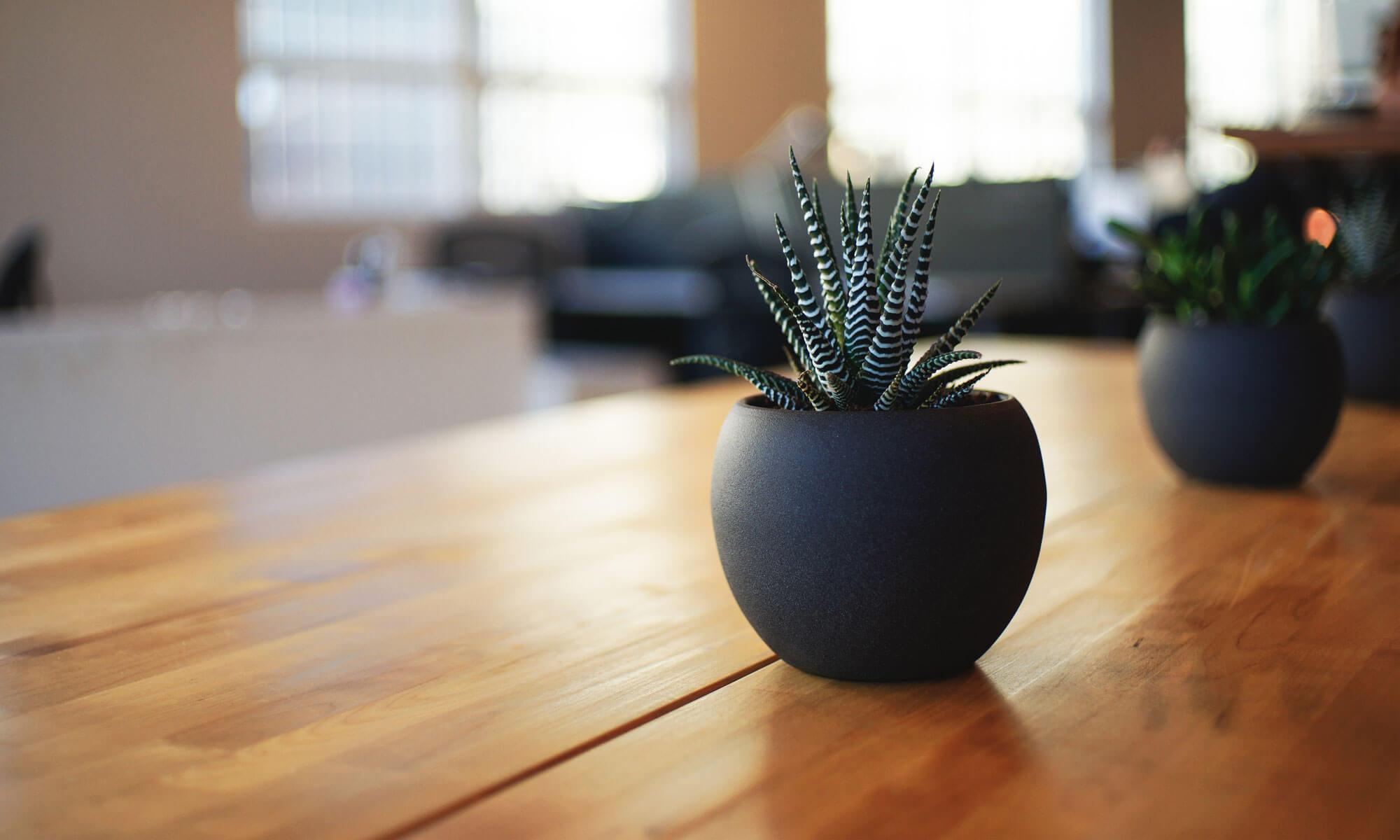
- Distinctive craftsmanship defines collections at thespinkings.uk, elevating everyday living spaces
- The Art of Textural Harmony in Home Furnishings
- Understanding the Role of Natural Fibers
- The Power of Color Palettes in Creating Atmosphere
- Complementary and Analogous Color Schemes
- The Importance of Lighting in Interior Design
- Layering Lighting for Optimal Ambiance
- The Enduring Appeal of Classic Design Elements
- Beyond Aesthetics: Cultivating a Sense of Wellbeing at Home
Distinctive craftsmanship defines collections at thespinkings.uk, elevating everyday living spaces
thespinkings.uk. Exploring the realm of home décor and lifestyle enhancements often leads discerning individuals to seek out brands that prioritize quality, craftsmanship, and a unique aesthetic. Amongst the multitude of options available,
The allure of well-crafted items extends beyond mere aesthetics; it speaks to a desire for longevity, sustainability, and a tangible connection to the creative process. Consumers are increasingly drawn to brands that tell a story, reflecting a commitment to ethical practices and responsible sourcing.
The Art of Textural Harmony in Home Furnishings
Creating a welcoming and visually appealing interior often hinges on the skillful interplay of textures. The selection of materials – whether it’s the plushness of a velvet cushion, the cool smoothness of ceramic, or the rustic charm of woven rattan – significantly impacts the overall ambiance of a room.
Understanding the Role of Natural Fibers
Within the broader category of textures, natural fibers play a particularly significant role in fostering a sense of organic warmth and connection to the environment. Materials like linen, cotton, wool, and jute bring an inherent softness and authenticity to interior spaces. They also tend to be more sustainable and environmentally friendly than synthetic alternatives.
| Material | Texture Profile | Typical Applications | Care Instructions |
|---|---|---|---|
| Linen | Soft, slightly textured, breathable | Bedding, curtains, upholstery | Machine wash cold, tumble dry low |
| Velvet | Luxurious, plush, smooth | Cushions, upholstery, drapery | Professional cleaning recommended |
| Jute | Coarse, natural, durable | Rugs, baskets, wall hangings | Spot clean only |
| Ceramic | Smooth, cool, hard | Vases, tableware, decorative objects | Hand wash recommended |
The careful consideration of material properties is paramount when designing an interior space. Understanding how different textures interact with light, color, and other elements allows for a more deliberate and impactful design scheme.
The Power of Color Palettes in Creating Atmosphere
Color is arguably one of the most potent tools in the interior designer’s arsenal. It possesses the ability to evoke emotions, set a mood, and transform the perception of space. A well-chosen color palette can create a sense of calm and serenity, or it can inject energy and vibrancy into a room.
Complementary and Analogous Color Schemes
Two fundamental approaches to color palette development are complementary and analogous schemes. Complementary colors, such as blue and orange or red and green, create a high-contrast visual dynamic that can be energizing and attention-grabbing. Analogous color schemes, on the other hand, utilize colors that are adjacent to each other on the color wheel, resulting in a more harmonious and soothing effect.
- Neutral Foundation: Utilizing shades of gray, beige, and white as a base allows for flexibility in layering colors and textures.
- Accent Colors: Introducing pops of color through accessories such as cushions, throws, and artwork adds visual interest and personality.
- Monochromatic Schemes: Employing varying shades of a single color creates a cohesive and sophisticated look.
- Biophilic Design Integration: Incorporating earthy tones and shades of green evokes a connection to nature, promoting a sense of calm and wellbeing.
The skillful use of color can dramatically enhance the functionality and overall enjoyment of a space. A warm and inviting color palette can make a living room more conducive to relaxation, while a vibrant and stimulating palette can boost creativity in a home office.
The Importance of Lighting in Interior Design
Often underestimated, lighting plays a crucial role in shaping the atmosphere and functionality of any interior space. It’s not simply about illuminating a room; it’s about creating a mood, highlighting architectural features, and enhancing the overall aesthetic.
Layering Lighting for Optimal Ambiance
Effective lighting design typically involves layering three primary types of illumination: ambient, task, and accent lighting. Ambient lighting provides overall illumination, creating a general level of brightness. Task lighting focuses light on specific areas for activities such as reading or cooking. Accent lighting highlights architectural features or decorative objects, adding visual interest and depth.
- Assess Natural Light: Before implementing an artificial lighting scheme, evaluate the amount of natural light available in each room.
- Choose the Right Bulbs: Consider the color temperature and brightness of different light bulbs. Warmer tones create a cozy atmosphere, while cooler tones are more energizing.
- Utilize Dimmers: Installing dimmers allows for greater control over light levels, enabling you to create different moods.
- Consider Fixture Placement: Strategically position lighting fixtures to maximize their impact and avoid glare.
Investing in quality lighting is an investment in the comfort and functionality of your home.
The Enduring Appeal of Classic Design Elements
While trends come and go, certain design elements remain timeless and universally appealing. These classic elements—such as clean lines, symmetrical arrangements, and the use of high-quality materials—provide a sense of enduring elegance and sophistication.
The careful selection and integration of classic design elements can elevate any interior space, creating a sense of harmony and balance.
Beyond Aesthetics: Cultivating a Sense of Wellbeing at Home
The modern home is evolving beyond a mere shelter to become a sanctuary – a space that nurtures wellbeing and supports a healthy lifestyle. This evolution is driving a demand for interiors that are not only visually appealing but also emotionally restorative.
Creating a wellbeing-focused home is about more than just aesthetics; it’s about creating an environment that supports both physical and mental health. This might involve incorporating plants to purify the air, using natural materials to minimize exposure to toxins, or creating dedicated spaces for relaxation and mindfulness.